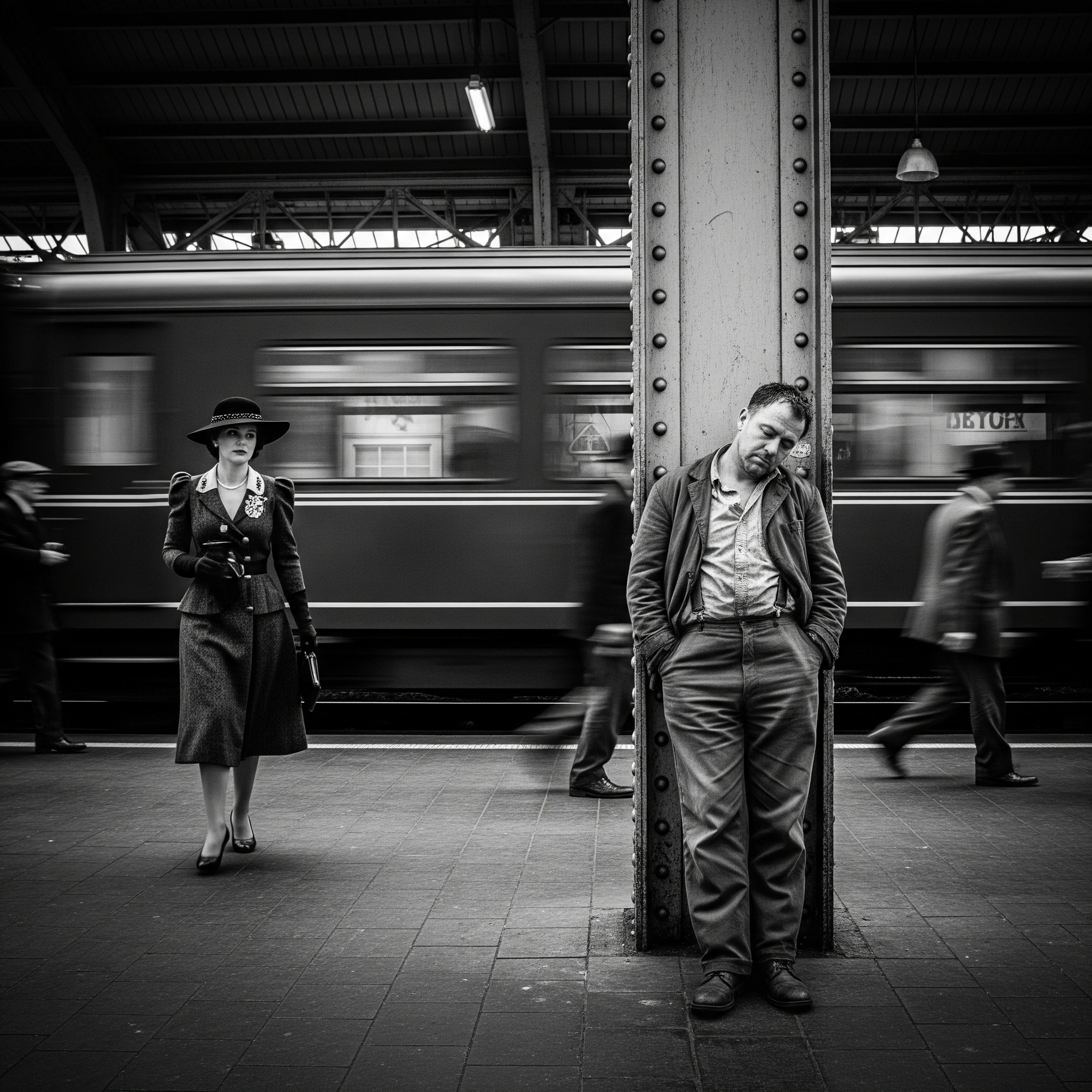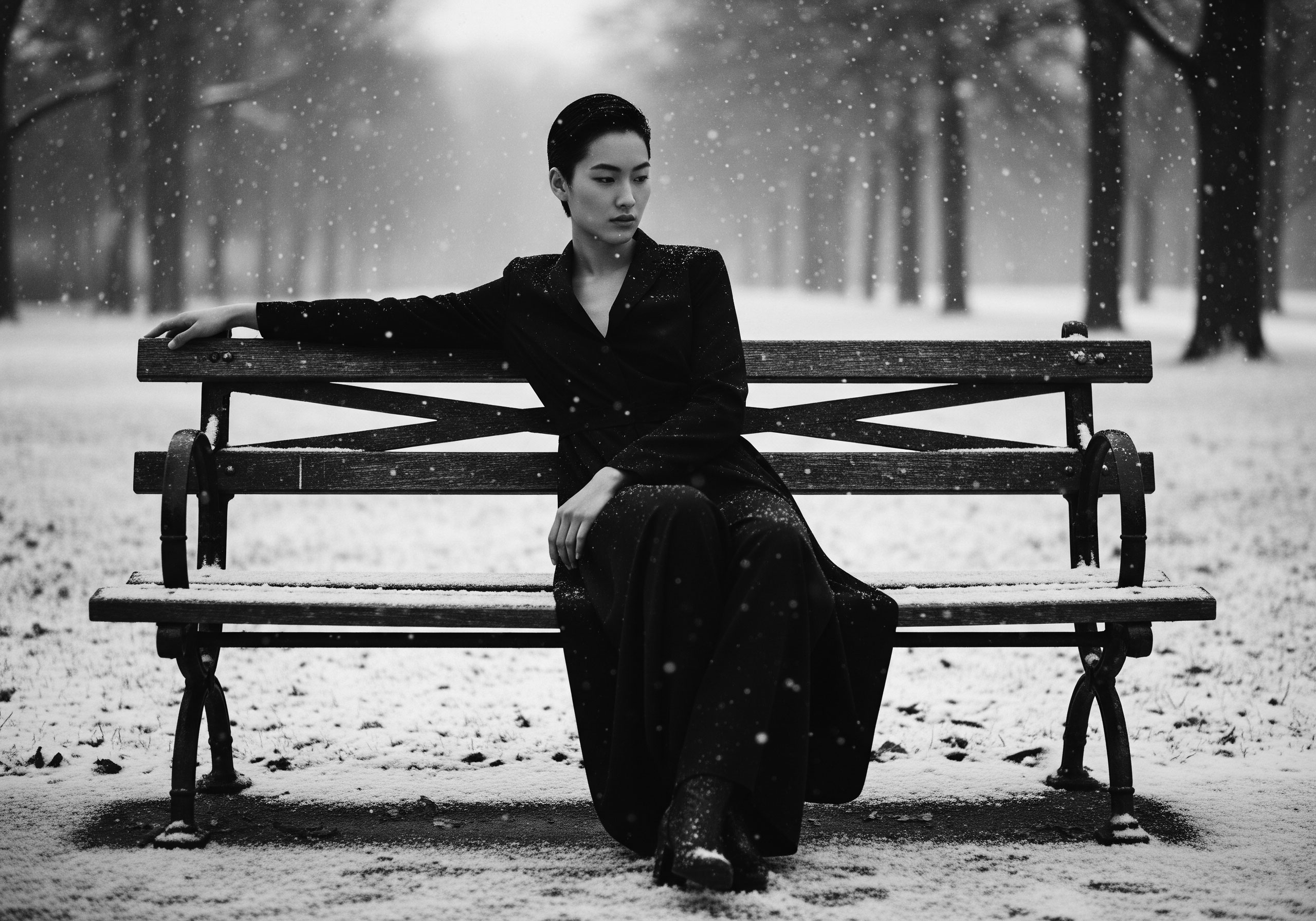
Beyond the Likeness: Digital Portraiture
Portraiture stands as one of the oldest and most enduring forms of artistic expression, a testament to humanity’s desire to capture, analyze, and immortalize the individual. From the sculpted busts of ancient Rome to the digital canvases of today, the portrait has served as more than just a likeness; it is a mirror reflecting the soul of both the subject and the society they inhabit.
The “greats” of this art form—luminaries like Rembrandt, Van Gogh, and Sargent—each brought their unique vision to the practice. Rembrandt, with his masterful use of chiaroscuro, delved into the inner life of his subjects, revealing their emotions and vulnerabilities with a profound psychological depth. Van Gogh, on the other hand, used his vibrant, impasto brushstrokes to convey not just what a person looked like, but what it felt like to be them, infusing his self-portraits with a palpable sense of struggle and intensity. Sargent’s portraits, with their fluid and confident brushwork, captured the elegance and social standing of the Gilded Age elite, leaving a lasting record of an era defined by opulence and refinement.
In the modern era, the legacy of portraiture has been powerfully advanced by photographers like Annie Leibovitz. Her work transcends simple documentation, creating iconic images that define our understanding of public figures. Leibovitz’s portraits are meticulously crafted narratives, often imbued with a theatrical quality that reveals a deeper truth about her subjects, whether it’s a vulnerable John Lennon embracing Yoko Ono or a powerful Queen Elizabeth II in her regal finery. She understands that a great portrait is not just a picture, but a collaboration that tells a story, revealing a moment of unguarded humanity or a carefully constructed persona.



The impact of portraits on art is immeasurable. They have acted as historical records, social commentaries, and intimate psychological studies. They challenge us to look beyond the surface, to consider the stories, emotions, and contexts that shape a person’s identity. By capturing a single moment in time, a great portrait can speak across centuries, reminding us that while our worlds may change, the fundamental truths of the human experience—joy, sorrow, ambition, and grace—remain timeless.