The Camera Obscura
Hallucinations From My Inner Eye
The camera obscura, or “darkened room,” is more than just a historical precursor to the modern camera; it is a profound metaphor for the very essence of photography itself. Before lenses and film, this simple phenomenon—where light passing through a small hole projects an inverted image onto a surface—was a window into a new way of seeing. It was a testament to the power of light, the foundation upon which the entire medium of photography would be built. The camera obscura is a silent tribute to the sheer magic of capturing reality through optics, a stark reminder that even the most complex technology began with a fundamental principle of physics and a human’s insatiable curiosity.
What is a Photograph?
A photograph is a lie that tells the truth.
This paradox lies at the heart of photography and is the source of endless debate. Is a photograph a faithful, objective record of a moment in time, or is it a subjective interpretation shaped by the photographer’s vision?
This fundamental question can be seen in the contrasting approaches of two giants of the medium: Ansel Adams and a more candid, street-style photographer.
Ansel Adams: The Visionary’s Truth
Ansel Adams believed the photograph was a manifestation of a pre-visualized moment. His famous “Zone System” was a meticulous methodology for controlling light, from initial capture to final print. For Adams, the truth of a photograph was not found in the chaotic scene before him, but in the final, crafted image that reflected his emotional and spiritual connection to the landscape. He didn’t just photograph mountains; he sculpted them with light and shadow, creating idealized, almost monumental visions of the American West. His work argues that a photograph’s truth lies in the artist’s ability to interpret and enhance reality to convey a deeper, more personal meaning.
The Candid Photographer: The Quest for Spontaneous Truth
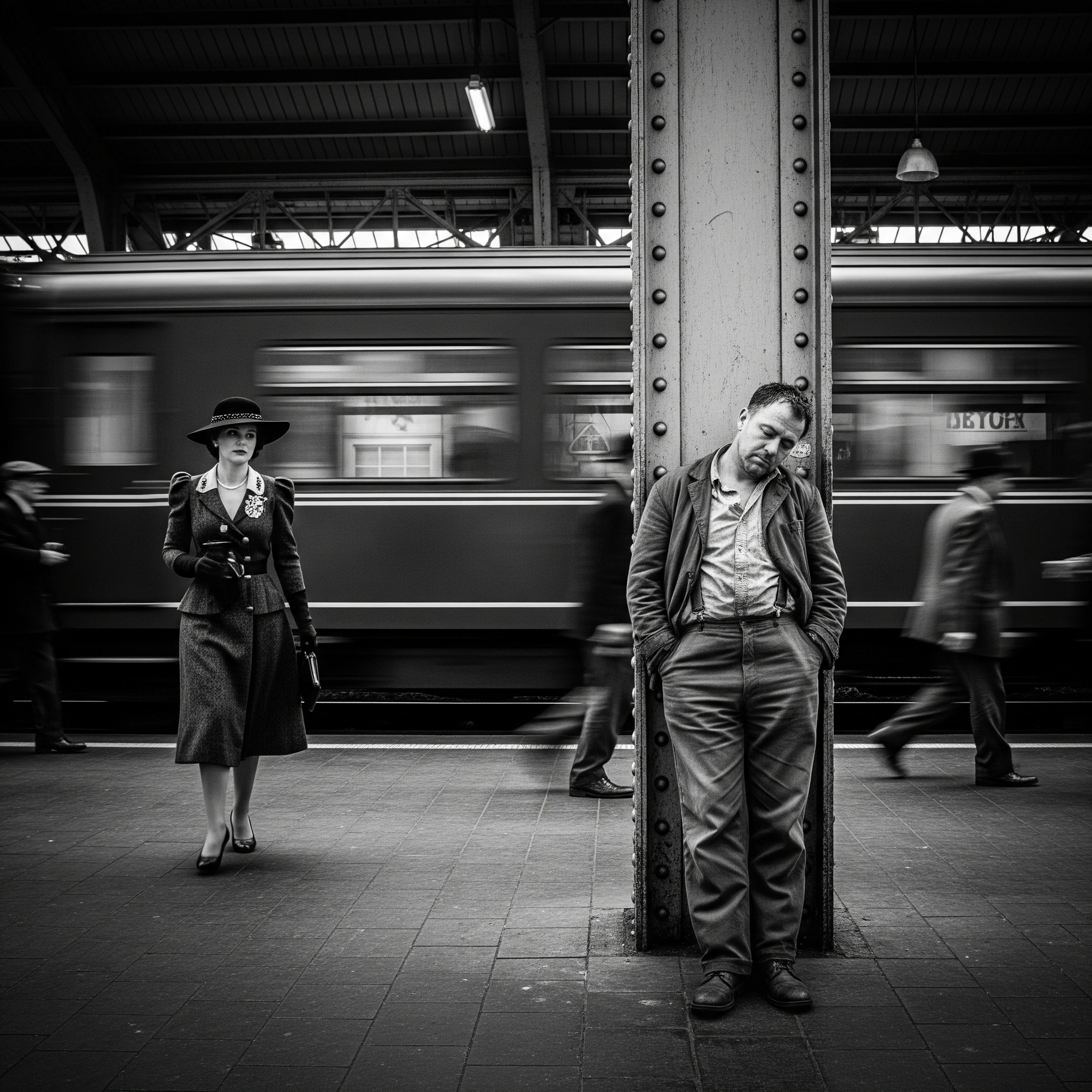
In stark contrast, a candid or street photographer seeks a different kind of truth. They operate on the principle of the “decisive moment,” a term coined by Henri Cartier-Bresson. For them, the photograph is a serendipitous discovery, a fleeting moment of pure, unscripted reality that they must capture as it unfolds. The camera is an extension of their eye, and their goal is not to control or interpret the scene, but to be present and to react instinctively to the unvarnished truth of human interaction and emotion. The truth of their work is in its immediacy and honesty, in the belief that the most profound insights are found in the spontaneous, unposed moments of everyday life.
Ultimately, both approaches are valid. A photograph can be both a quest to capture truth and an interpretation of it. The camera obscura, with its simple, inverted reflection, gave us the tool. It is up to the photographer to decide how to use it, and in doing so, to
What is next?
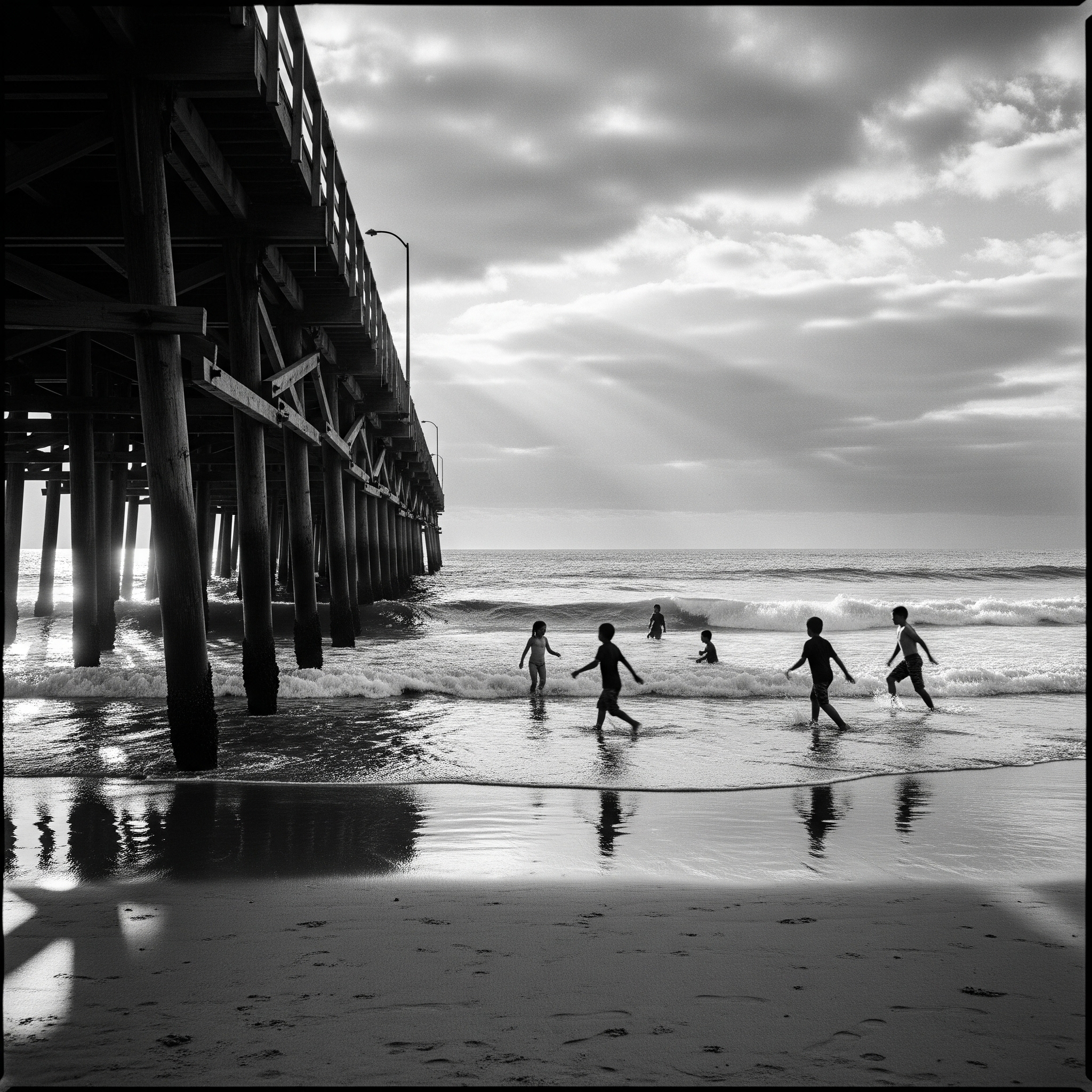
Generative photography, at its core, is the ultimate extension of this philosophical debate. It takes the camera obscura’s principle—the mechanical capture of light—and turns it on its head. Instead of passively recording the external world, the generative artist uses algorithms and AI to project an internal one.
In this new medium, the truth being captured isn’t found in a physical scene but in the mind’s eye. The process isn’t about framing a pre-existing reality; it’s about giving form to an imagined one. A prompt becomes the modern-day camera obscura, a small opening through which a vision, however abstract or concrete, is projected into existence.
This form of photography is a profound tribute to the power of the imagination. It’s no longer about whether a photographer is interpreting reality or capturing it spontaneously. The generative photographer does both. They interpret a concept or an emotion into a detailed prompt, and the AI’s algorithms “capture” that interpretation, translating the ethereal into the tangible.
Ultimately, generative photography proves that the essence of a photograph isn’t just in the light that creates it, but in the thought that inspires it. It is a bold new chapter that redefines the medium, where every image is a definitive answer to the question: what is the truth that exists only within the artist’s imagination?
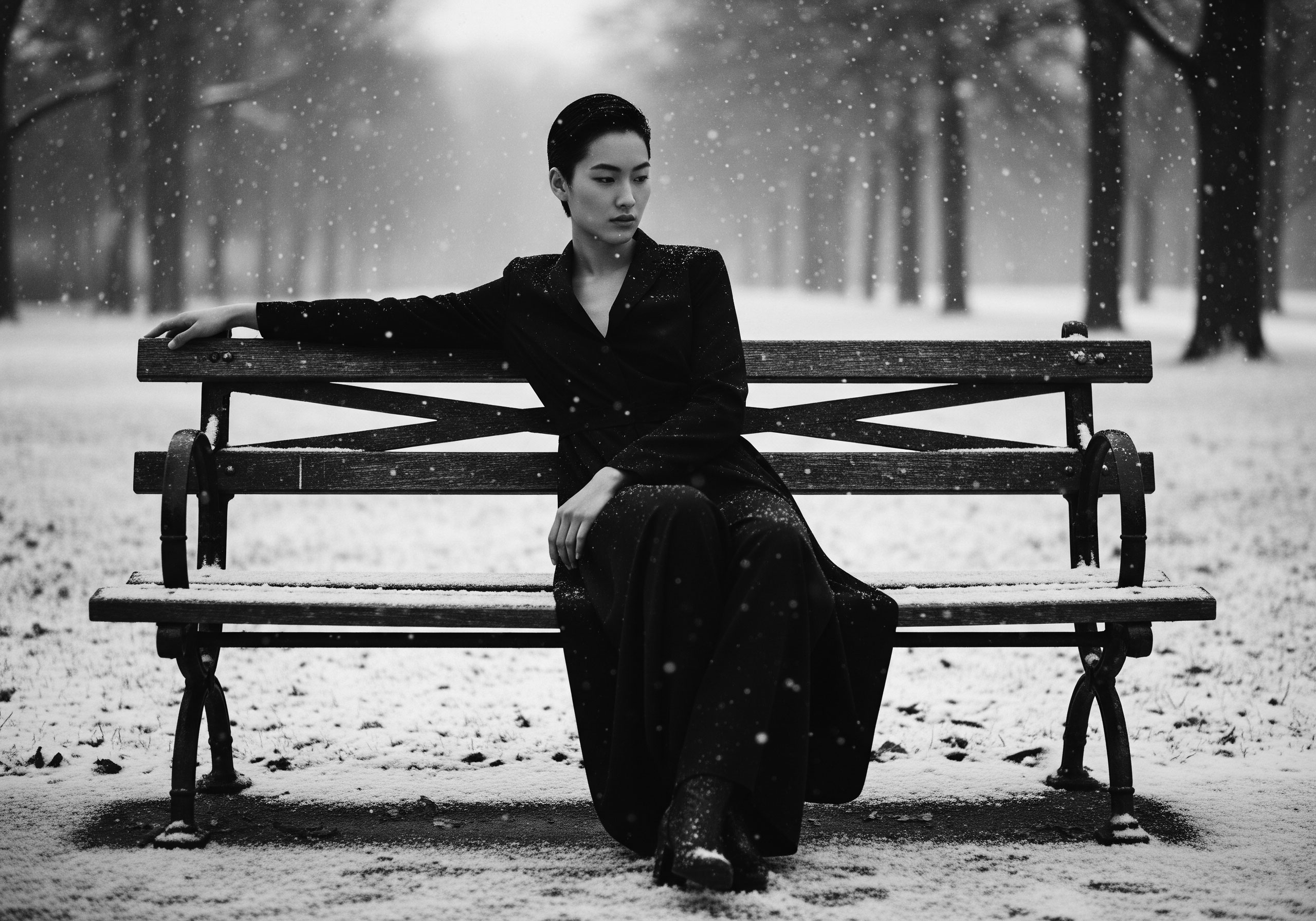

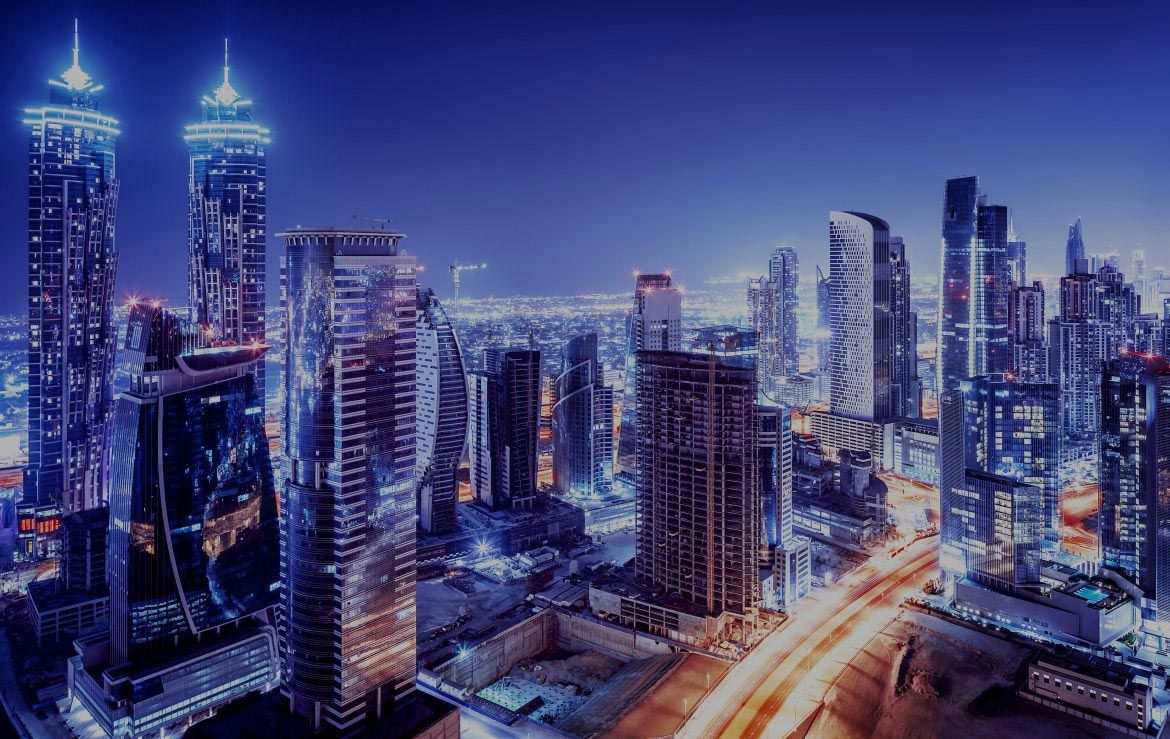
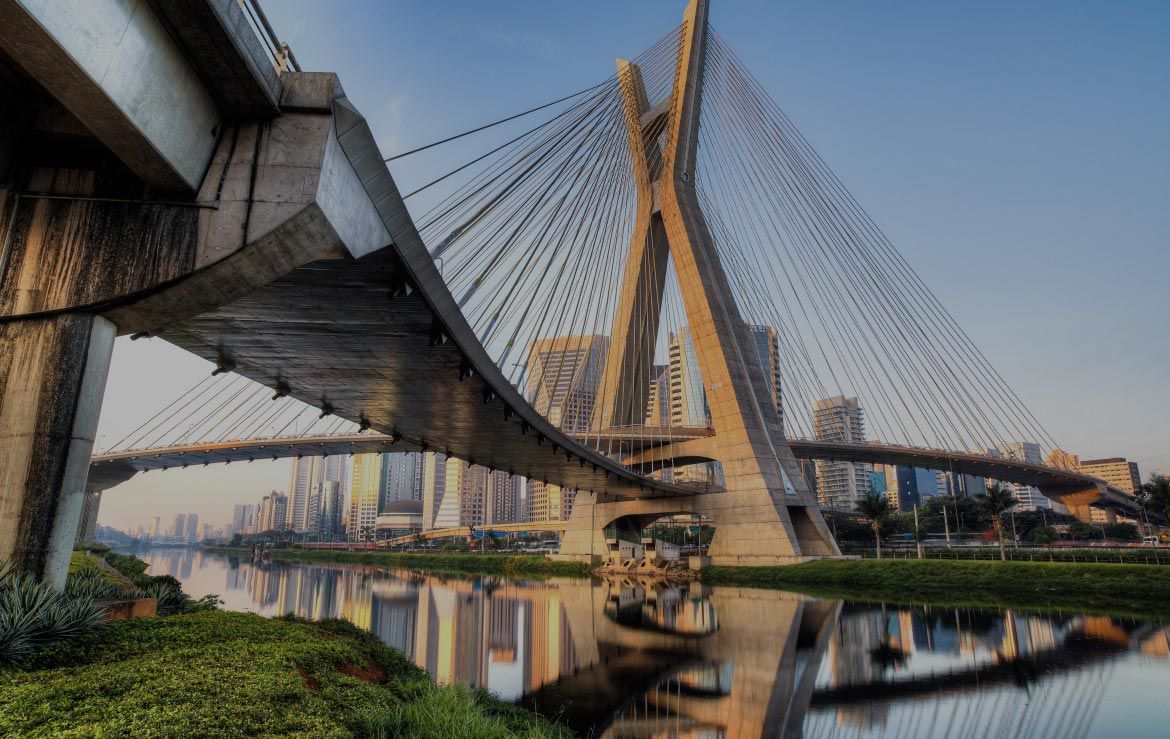
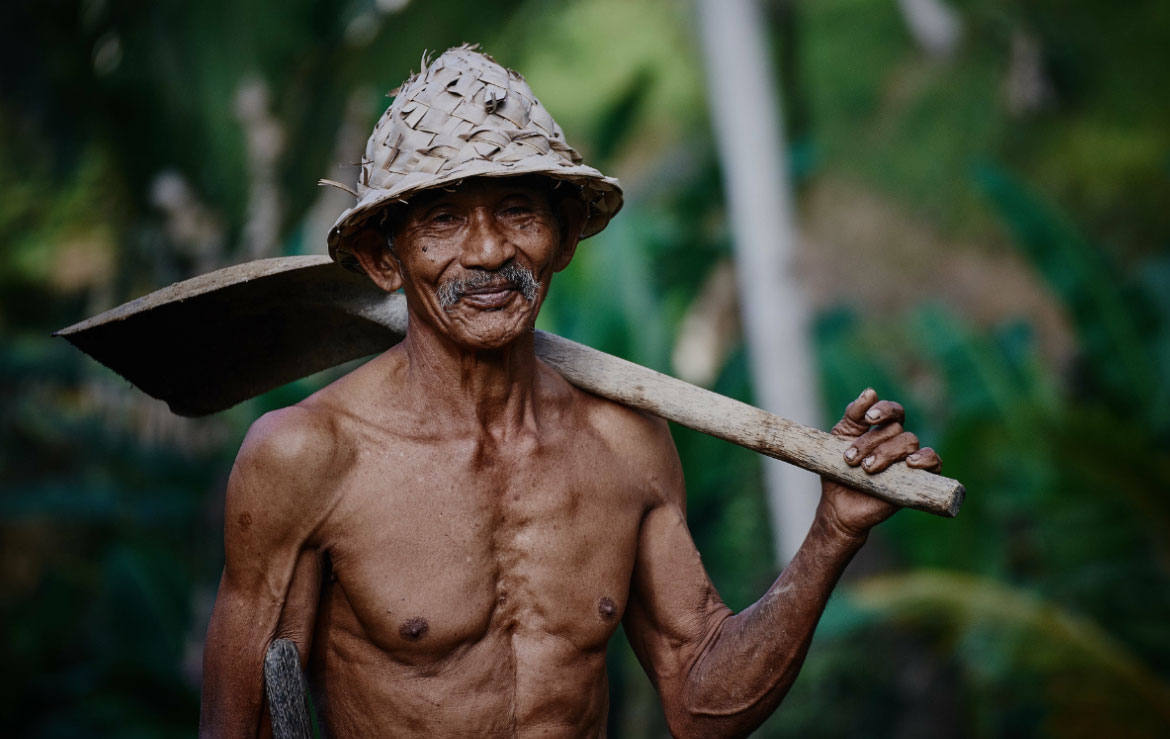
“When words become unclear, I shall focus with photographs. When images become inadequate, I shall be content with silence.”
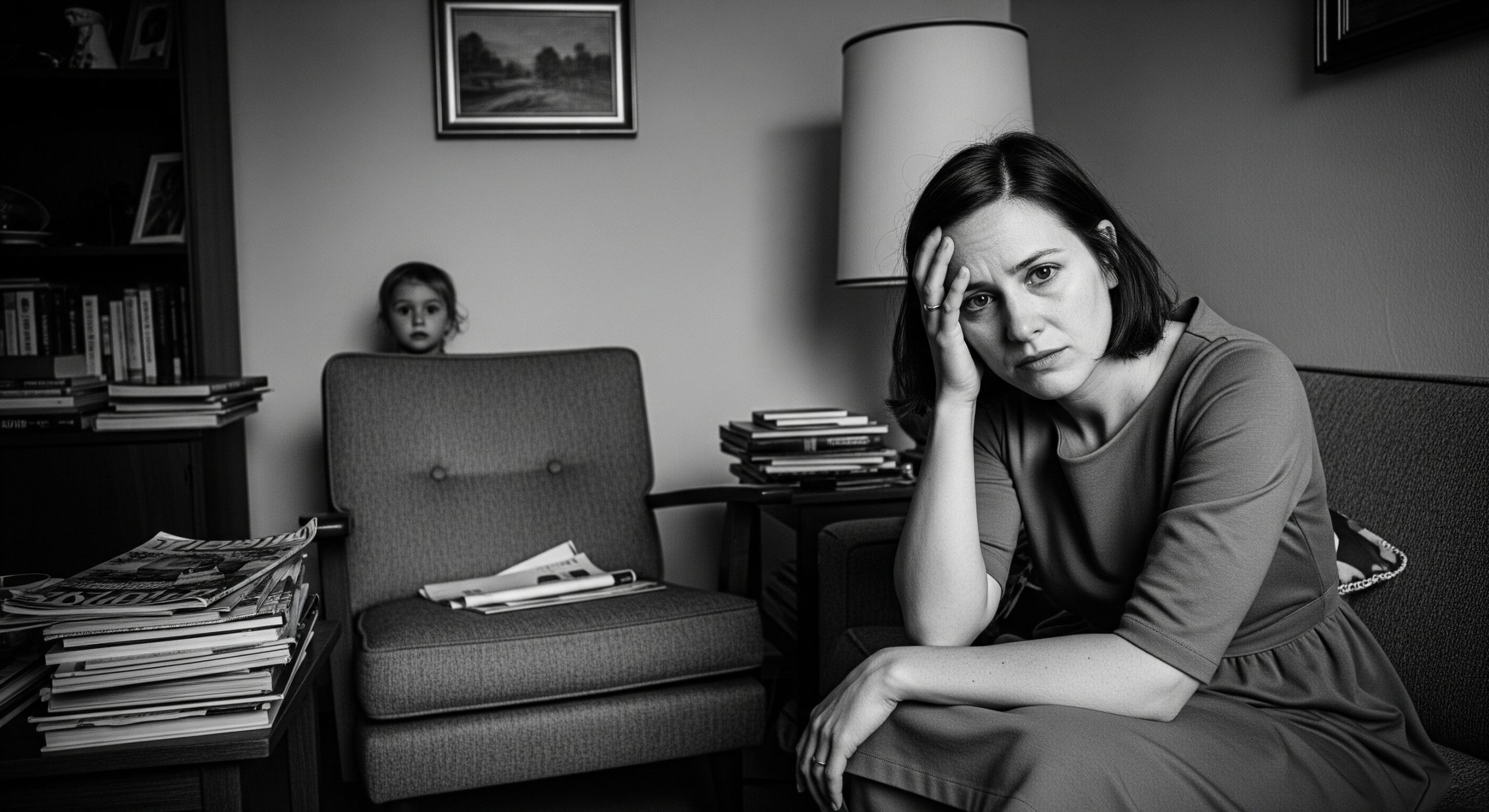
“There is only you and your camera. The limitations in your photography are in yourself, for what we see is what we are.”
“Black and white are the colors of photography. They symbolize the alternatives of hope and despair to which mankind is subjected.”